Category
Power and Batteries
What happens chemically and electrically when a device charges, runs, and ages.

Batteries are the part of a gadget people worry about most and understand least. The anxiety is reasonable: a battery is a chemical system, not a simple tank that fills up, and that chemistry changes with every charge cycle, every degree of temperature, and every year of ownership. This category explains what is actually happening inside a lithium-ion cell during charging and discharging, why batteries degrade even when a device sits unused, and which charging habits are backed by manufacturer and standards-body guidance versus which are folklore. None of the guides here tell you how to open a device or replace a cell yourself; the goal is to help you understand the system well enough to make sensible day-to-day decisions.
New to this topic? A trail is a reading path: 9 guides in the order that makes each one easier to understand. You tick off each guide as you finish it, and the progress bar remembers where you stopped.
All 9 guides in this category
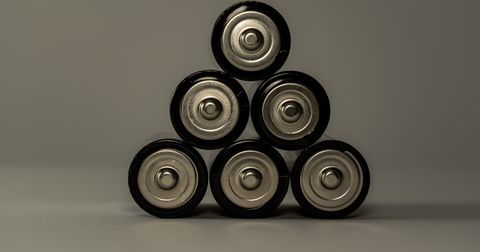 beginner 7 min read
How a Lithium-Ion Battery Actually Charges
Charging a lithium-ion battery happens in two distinct electrical stages, not one steady process, which is why speed changes dramatically as the battery fills up.
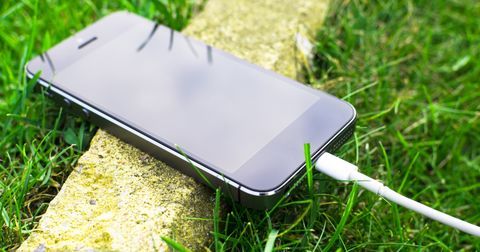 intermediate 8 min read
Why Batteries Degrade Over Time, Even Without Use
Lithium-ion batteries lose capacity gradually through both use and simple time, and heat together with storage charge level makes the biggest difference.
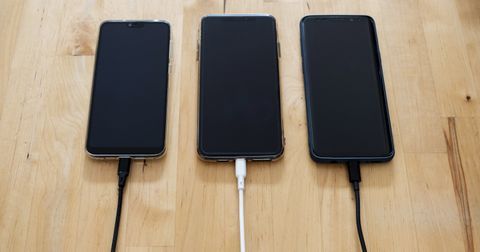 beginner 7 min read
Safe Charging Habits That Actually Protect Battery Life
The handful of charging habits that genuinely matter for lithium-ion battery health, condensed into a short printable checklist.
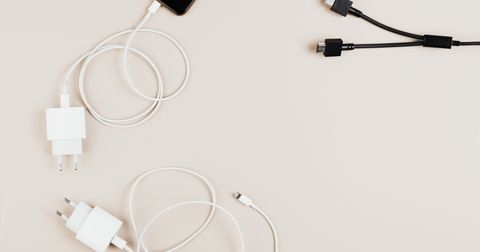 intermediate 7 min read
What Fast Charging Really Does Inside Your Device
Fast charging speeds up the early part of a charge through higher current and device-charger negotiation, but it slows down just like standard charging near full.
 beginner 7 min read
Why Phones Get Warm While Charging
Phones warm up while charging because of resistive heating, chemical reactions, and sometimes active use layered on top, not because of a single cause.
 intermediate 7 min read
What Battery Percentage Actually Measures
The battery percentage you see is a calculated estimate built from voltage and current tracking, not a direct physical measurement of stored energy.
 beginner 6 min read
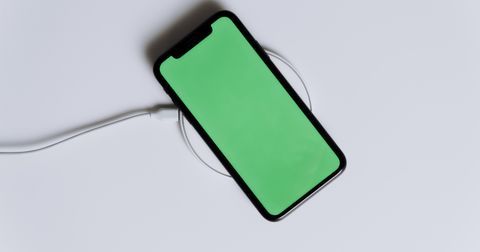
How Wireless (Qi) Charging Works Without a Cable
Qi wireless charging sends power across a small gap using magnetic fields instead of a cable, which explains both its convenience and its limits.
 beginner 7 min read
Why Cold and Hot Weather Affect Battery Performance
Cold temperatures slow battery chemistry temporarily, while heat causes lasting capacity loss, and the two effects work in very different ways.
 intermediate 7 min read
What Happens Inside a Battery During a Full Discharge
A full battery discharge involves several distinct phases, and the 0% on your screen is a safety cutoff, not a truly empty battery.