Category
Wireless and Connectivity
How devices find each other and exchange data without a cable.
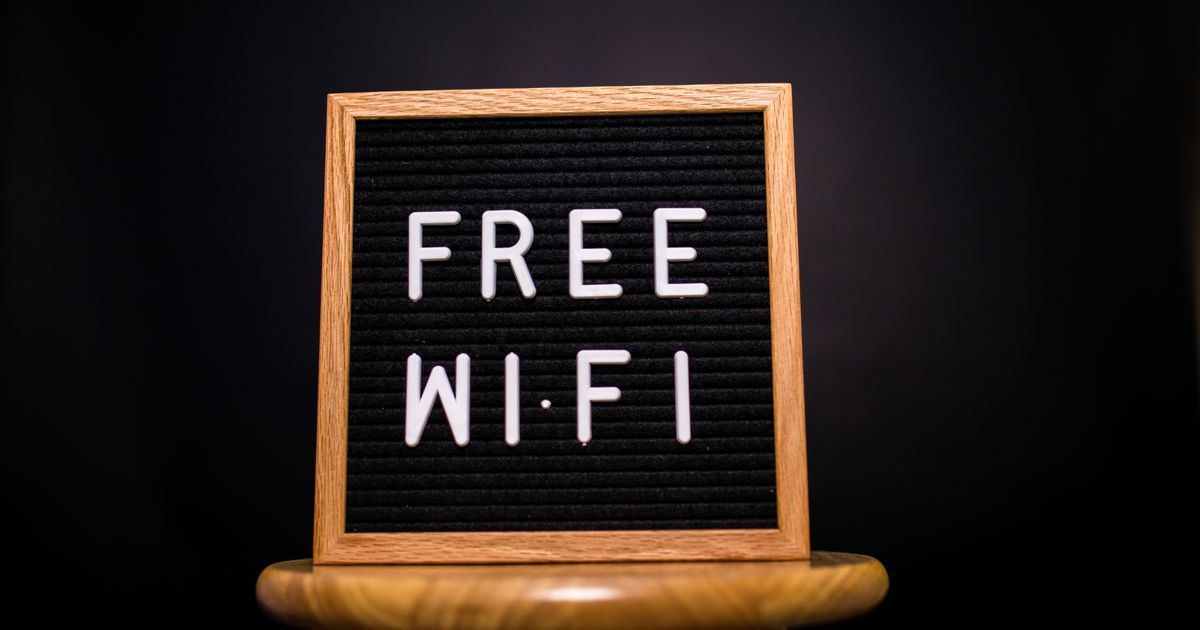
Wi-Fi, Bluetooth, NFC, and GPS all move information through the air, but they solve different problems using different radio designs, ranges, and power budgets. That is why your headphones use Bluetooth instead of Wi-Fi, why tapping a card works from a few centimeters instead of a few meters, and why a Wi-Fi signal that looks strong on paper can still feel slow in practice. This category breaks down the standards bodies and specifications behind everyday wireless features — Bluetooth SIG, the Wi-Fi Alliance, and GPS infrastructure — so the invisible layer of modern gadgets becomes legible instead of magical.
New to this topic? A trail is a reading path: 9 guides in the order that makes each one easier to understand. You tick off each guide as you finish it, and the progress bar remembers where you stopped.
All 9 guides in this category
 beginner 6 min read
How Bluetooth Pairing Actually Works
Bluetooth pairing looks like one tap, but underneath it two devices discover each other, agree on a shared secret, and save it so they can reconnect automatically next time.
 intermediate 8 min read
Wi-Fi vs Bluetooth vs NFC: What Each One Is Actually For
Wi-Fi, Bluetooth, and NFC all send data through the air, but they're built for different jobs: covering a house, linking nearby accessories, or confirming two things are touching.
 beginner 7 min read
Why Your Wi-Fi Gets Slower the Farther You Walk
Wi-Fi doesn't just switch off at a distance, it gradually loses signal strength and clarity, so your devices automatically fall back to slower, more reliable speeds.
 intermediate 7 min read
What the Numbers in Wi-Fi Names Like 802.11ac Mean
Wi-Fi standards carry confusing names like 802.11ac or Wi-Fi 6, but each one is really just a version number describing speed, frequency, and compatibility.
 beginner 7 min read
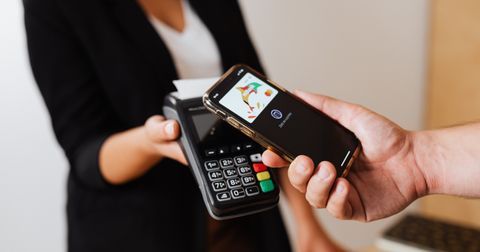
How NFC Lets You Tap to Pay or Share a File
Tapping a phone or card to pay uses a short-range radio technology called NFC, which powers a tiny chip and swaps a one-time secure code in a fraction of a second.
 intermediate 7 min read
Why Bluetooth Devices Sometimes Lag or Drop Audio
Bluetooth audio delays and dropouts usually come from crowded radio airwaves, obstacles between devices, or the compression needed to fit sound into a narrow wireless channel.
 intermediate 7 min read
What a Mesh Wi-Fi System Actually Does Differently
A mesh Wi-Fi system uses several coordinated nodes that share one network and hand devices off smoothly, instead of relying on a single router or a simple signal repeater.
 beginner 7 min read
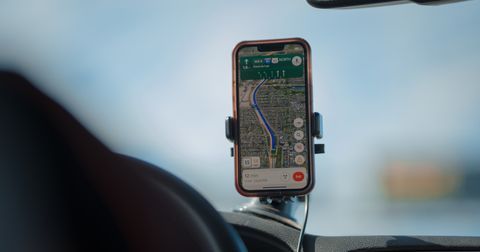
How GPS Figures Out Your Exact Location
GPS finds your location by timing radio signals from several satellites and using the tiny differences in arrival time to calculate exactly where you are on Earth.
 beginner 7 min read
Why Airplane Mode Turns Off Some Signals But Not Others
Airplane mode is really several separate radio switches bundled into one button, which is why Wi-Fi, Bluetooth, or GPS can sometimes stay active even after you turn it on.