Category
Sensors, Cameras and Audio
How devices capture light, sound, and touch, and turn them into data.
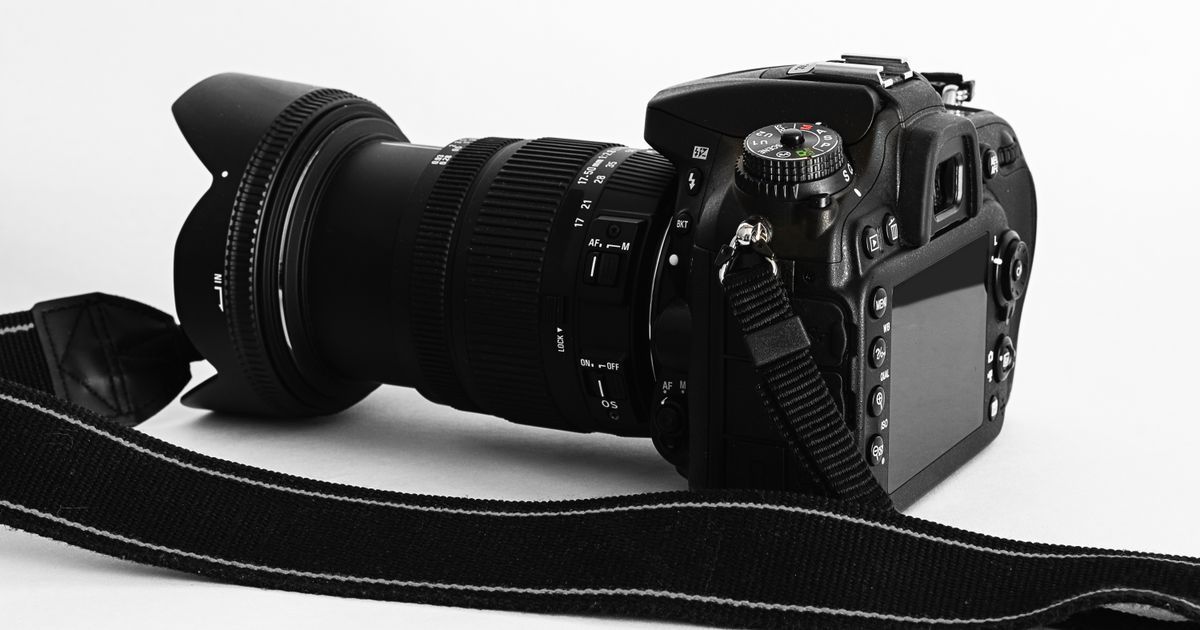
A modern phone or pair of headphones is packed with small sensors that translate the physical world into numbers: light into color data, air pressure waves into digital audio, and finger ridges into a match or no-match decision. This category walks through how camera sensors, microphones, fingerprint readers, face unlock, and motion sensors actually work at a principle level — not which model has the best specs, but what the sensor is physically measuring and how it turns that measurement into something a processor can use. The explanations here apply broadly across manufacturers, since the underlying physics does not change from one product cycle to the next.
New to this topic? A trail is a reading path: 9 guides in the order that makes each one easier to understand. You tick off each guide as you finish it, and the progress bar remembers where you stopped.
All 9 guides in this category
 beginner 7 min read
How a Phone Camera Sensor Captures Color
A phone camera sensor cannot see color on its own. It measures brightness through a grid of tiny color filters, and software fills in the rest to build the photo you see.
 intermediate 8 min read
How Noise-Cancelling Headphones Actually Cancel Noise
Noise-cancelling headphones listen to the sound around you with tiny microphones and generate an opposite sound wave that cancels it out before it reaches your eardrum.
 beginner 7 min read
How a Microphone Turns Sound Into Data
A microphone converts the physical vibration of sound in the air into an electrical signal, which a phone then samples thousands of times per second to store as digital data.
 intermediate 8 min read
What the Megapixel Number Actually Tells You About a Camera
A megapixel count tells you how many individual points of light a camera sensor can capture, but it says nothing about photosite size, lens quality, or processing, all of which matter just as much.
 beginner 7 min read
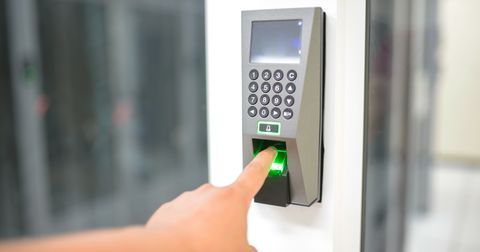
How Fingerprint Sensors Recognize Your Finger
A fingerprint sensor maps the ridges and valleys of your fingertip into a digital pattern, then compares that pattern against a stored template to decide whether it matches closely enough.
 intermediate 8 min read
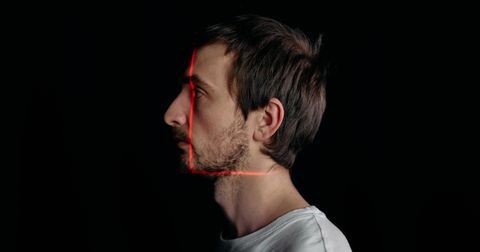
How Face Unlock Tells You Apart From a Photo
Face unlock systems build a three-dimensional map of facial geometry using depth-sensing hardware, which is what lets them tell a real face apart from a flat photo of one.
 beginner 7 min read
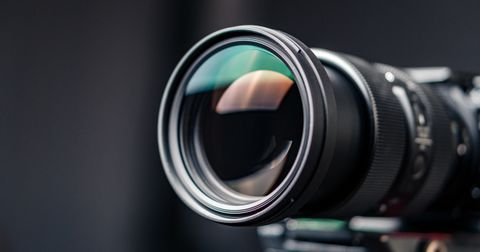
How Optical and Digital Zoom Are Actually Different
Optical zoom physically changes how a lens focuses light to magnify a scene before it reaches the sensor, while digital zoom simply crops and enlarges the image afterward, with no new detail added.
 intermediate 8 min read
What a Gyroscope and Accelerometer Each Do in Your Phone
An accelerometer senses changes in speed and direction, including gravity's pull, while a gyroscope senses rotation around an axis, and phones combine both to track motion accurately.
 beginner 7 min read
How Autofocus Decides What Part of a Photo Stays Sharp
A phone camera's autofocus system constantly moves lens elements and checks the resulting image sharpness, or directly measures focus error, to decide which part of a scene stays crisp.