Category
Smart Home and Wearables
How always-listening, always-worn devices sense, decide, and act.
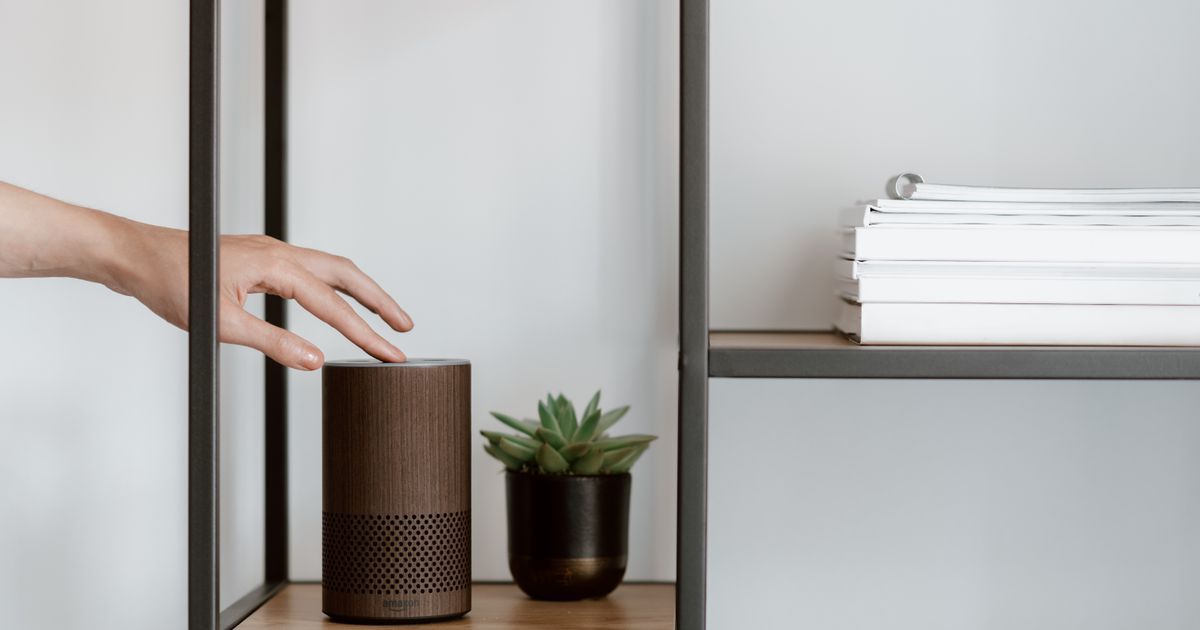
Smart speakers, fitness trackers, smart locks, and thermostats share a common shape: a small sensor or microphone constantly samples the world, a local or cloud process decides what the sample means, and the device acts on that decision. This category explains how a smart speaker recognizes its wake word without sending every sound to the cloud, how a wearable estimates heart rate and sleep from light and motion, and how a thermostat 'learns' a schedule. The explanations focus on general principles shared across the category rather than specific product claims, and this site does not make medical claims about what wearable sensors measure.
New to this topic? A trail is a reading path: 9 guides in the order that makes each one easier to understand. You tick off each guide as you finish it, and the progress bar remembers where you stopped.
All 9 guides in this category
 beginner 7 min read
How a Smart Speaker Knows You Said Its Wake Word
Smart speakers use a small, always-on chip to listen only for a specific wake-word pattern, keeping that process separate from the cloud systems that handle your actual questions.
 intermediate 6 min read
How a Fitness Tracker Measures Your Heart Rate
Wearables estimate heart rate by shining light into the skin and measuring how reflection changes with each pulse of blood, a method called photoplethysmography.
 beginner 6 min read
How a Smart Thermostat Learns Your Schedule
Smart thermostats build a schedule by tracking repeated manual adjustments and occupancy signals over days or weeks, then automating the pattern they detect.
 intermediate 6 min read
What Actually Happens When You Ask a Smart Speaker a Question
A voice question travels from local wake-word detection through cloud-based speech recognition, intent interpretation, data retrieval, and text-to-speech, all in under a second.
 beginner 6 min read
How Smart Locks Decide Who's Allowed In
Smart locks check a credential, a code, fob, phone, or fingerprint, against a stored access list, then trigger a small motor to move the same kind of mechanical bolt a traditional key would.
 intermediate 6 min read
How Sleep Tracking on a Wearable Actually Works
Wearables estimate sleep timing and stages by analyzing movement and heart-rate patterns, producing useful personal trends rather than clinical, diagnostic results.
 beginner 6 min read
How a Smart Plug Controls Power Without a Physical Switch
A smart plug uses a low-power wireless control chip to trigger a relay, an electrically controlled switch, which physically turns household power on or off.
 intermediate 6 min read
Why Smart Home Devices Need a Hub (or Don't Anymore)
Whether a smart home device needs a hub depends on its wireless technology; Wi-Fi devices connect directly, while Zigbee, Z-Wave, and Thread devices rely on a translating bridge.
 beginner 6 min read
How Step Counting on a Wearable Actually Works
Wearables count steps by detecting a sustained, repeating motion pattern from an accelerometer, not by directly sensing your feet, which explains their occasional miscounts.