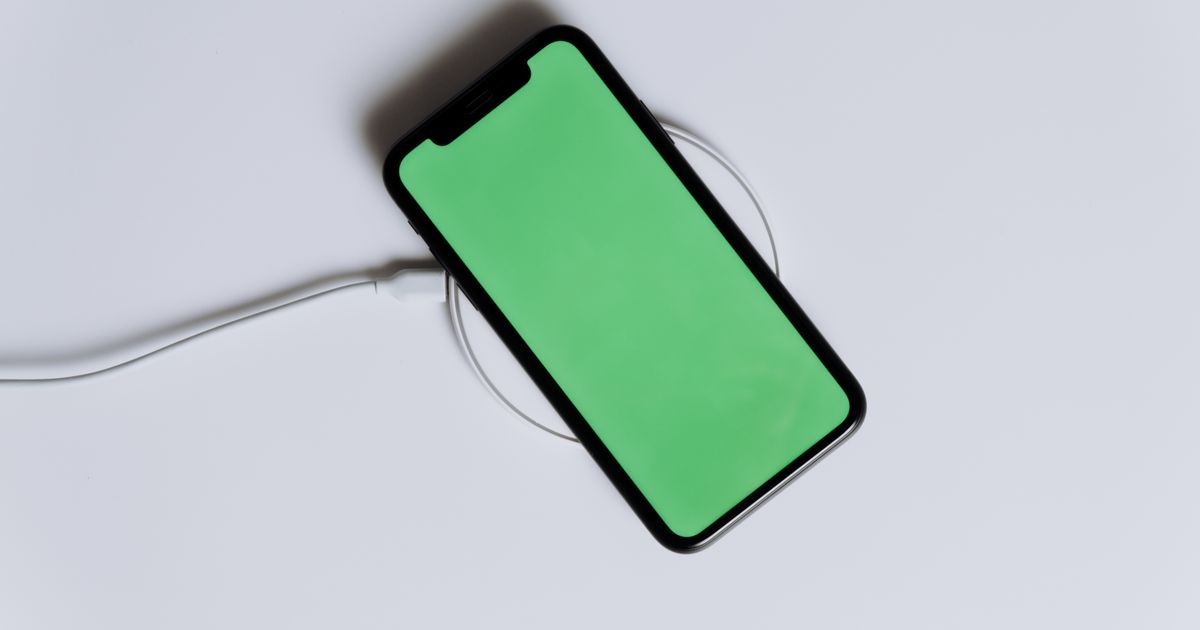
Wireless chargingA way to charge a device by setting it on a pad instead of plugging in a cable. It uses a magnetic field between coils in the pad and device; 'Qi' (say 'chee') is the common standard for this. More in the glossary looks almost magical: you set a phone down on a flat pad, and power flows into it with no cable at all. The underlying principle, though, is over a century old and relies on a well-understood physical phenomenon called electromagnetic induction, the same basic idea used in some kinds of electric motors and transformers.
The most common wireless charging standard for consumer devices is called Qi, pronounced chee, developed and maintained by the Wireless Power Consortium, an organization that defines how charging pads and compatible devices communicate and transfer power safely.
This article explains how power actually crosses the gap between a charging pad and a device with no physical connection, why alignment mattersA shared set of rules that lets smart home devices from different brands work together and be controlled from the same app, instead of each brand needing its own separate app. More in the glossary so much, and why wireless charging is generally a bit less efficient than charging with a cable.
The Core Idea: Electromagnetic Induction
Inside a Qi charging pad is a coil of wire that an electric current passes through, which creates a magnetic field around it. When a second coil of wire, located inside the back of the device being charged, is placed close enough within that magnetic field, the field induces, or generates, an electric current in that second coil. This is electromagnetic induction, and it's the same basic principle used in electrical transformers.
Converting the Current Into Usable Charging Power
The current induced in the device's coil is alternating current, meaning it switches direction rapidly, similar to the power that comes out of a wall outlet. The device's internal circuitry converts this into the steady direct current that the battery actually needs to charge, a conversion process similar to what happens inside any wired charger, just happening on the receiving end instead of inside a plug-in adapter.
This conversion step is also where some of the wireless charging process's efficiency loss occurs, alongside the loss that happens in generating and receiving the magnetic field itself.
Why Alignment and Distance Matter So Much
The magnetic field generated by the charging pad's coil is strongest directly above the coil and weakens quickly with distance and misalignment. If a device's internal coil isn't positioned closely and directly over the pad's coil, less of the magnetic field reaches it, and charging becomes slower or stops entirely. This is why Qi chargers are sensitive to exact placement in a way that plugging in a cable simply isn't.
Many pads include multiple coils or a slightly larger charging coil specifically to make this positioning more forgiving, since requiring pixel-perfect placement would make everyday use frustrating.
Why Qi Charging Speeds Vary by Device and Pad
Just as wired fast chargingA charging method that pushes more power into a battery than standard charging, filling it up much quicker. It needs a compatible charger, cable, and device all working together. More in the glossary depends on negotiation between a charger and a device, wireless charging speed depends on both the pad's maximum power output and the device's ability to accept it. A high-power pad paired with a device that only supports a lower wireless charging rate will charge at the device's lower limit, the same principle that governs wired fast charging described elsewhere in this series.
This is why two different phones placed on the same wireless pad can show noticeably different charging speeds, even when both appear to be correctly aligned on the coil.
Why Wireless Charging Generates More Heat
Converting electricity into a magnetic field and then back into electricity again involves more energy loss than sending current directly through a cable. Some of that lost energy becomes heat, which is why wireless charging pads and the devices on them often feel warmer during charging than the same device would charging with a cable, and why wireless charging is generally somewhat less efficient overall.
How the Pad and Device Communicate
Just like wired fast charging, Qi charging involves communication between the pad and the device, not just a one-way flow of power. The device signals the pad about how much power it can accept and whether conditions, like temperature or alignment, are acceptable, and the pad adjusts its output accordingly. This communication is defined by the Wireless Power Consortium's Qi standard, which is what allows pads and devices from different manufacturers to work together.
Why Cases and Metal Objects Can Interfere
Thick cases, and especially cases or objects containing metal, can block or distort the magnetic field passing between the two coils. Metal can also heat up unexpectedly when exposed to a changing magnetic field, which is why wireless charging pads generally recommend removing thick cases or metal attachments, like certain wallets or stands, before charging.
This is also why wireless charging pads are generally designed to detect foreign metal objects and pause power delivery automatically if something unexpected absorbs the magnetic field, rather than continuing to deliver power blindly.
A Brief History of the Underlying Idea
Electromagnetic induction was described in the 1830s, long before rechargeable batteries or mobile devices existed, and it has been used in transformers and industrial equipment for well over a century. Applying it to small, everyday consumer gadgets required miniaturizing the coils and building the communication system that lets a lightweight phone and a flat pad coordinate power delivery safely, which is the specific contribution of the Qi standard and the broader wireless charging ecosystem it supports.
Wired vs. Wireless (Qi) Charging
| Aspect | Wired Charging | Wireless (Qi) Charging |
|---|---|---|
| Connection | Direct physical cable | Magnetic field across a small air gap |
| Typical efficiency | Higher, less energy lost as heat | Lower, more energy lost as heat in the conversion |
| Sensitivity to positioning | Not applicable | High; misalignment reduces or stops charging |
| Underlying standard example | USB Power Delivery (USB-IF) | Qi (Wireless Power Consortium) |
Common Mistakes
- Assuming wireless charging works at any distance or position on the pad, rather than needing close coil alignment.
- Leaving a thick or metal-containing case on the device, which can block or distort the magnetic field.
- Expecting wireless charging to be as fast or as efficient as a cable under identical conditions.
- Placing unrelated metal objects, like coins or keys, near the charging pad, which can heat up unexpectedly.
- Assuming a specific pad and phone combination won't work together just because they're from different manufacturers, when Qi compatibility usually covers this.
Frequently Asked Questions
Why does my phone charge slower on a wireless pad than with a cable?
Wireless charging involves converting energy into a magnetic field and back again, which loses more energy as heat than a direct wired connection, generally resulting in somewhat slower charging.
Does my phone need a special case to charge wirelessly?
No special case is needed, but thick cases or ones containing metal can interfere with the magnetic field and should generally be avoided or removed.
Is Qi the only wireless charging standard?
Qi, maintained by the Wireless Power Consortium, is the most widely adopted standard for consumer devices, which is why it's supported across many different phone and accessory brands.
Why does my wireless charging pad feel warm?
Some energy is lost as heat during the conversion between electrical current and magnetic field and back again, which is a normal, expected part of how wireless charging works and one reason it's generally somewhat less efficient than a cable.
Can I use a wireless charging pad from one brand with a phone from a different brand?
Yes, as long as both support the Qi standard maintained by the Wireless Power Consortium, since that standard is specifically designed to let compatible pads and devices from different manufacturers work together without any special setup.
Sources
- Wireless Power Consortium — Qi wireless charging standard — https://www.wirelesspowerconsortium.com/
- IEEE Spectrum — energy and wireless power technology coverage — https://spectrum.ieee.org/topic/energy/